SeedVR2 and FlashVSR on a Mac, without ComfyUI
Early results, November 9, 2026. Local Upscale Studio is in development; these images come from our test setup, not the finished app.
SeedVR2 and FlashVSR are two of the strongest open upscaling models released so far. Both are free to use commercially under the Apache 2.0 licence. When we looked in November 2026, most ways to run them were ComfyUI workflows or Python scripts, usually written for NVIDIA graphics cards.
Local Upscale Studio is a Mac app being built around them. You drop in photos or videos, pick Fast or Quality, and the app does the rest on your Mac. No Python, no node graphs, no uploads.
The three models
- Real-ESRGAN, for Fast mode. The model behind most free upscalers. Quick on every Mac, and good on clean sources. It is the same engine our App Store apps use today.
- SeedVR2, for Quality photos. A one-step diffusion upscaler from ByteDance. It rebuilds texture such as skin, hair and fabric where older models smooth it away. Studio uses the 3B version by default and can use 7B on Macs with more memory.
- FlashVSR, for Quality video. A video upscaler that looks at neighbouring frames, so detail stays stable from frame to frame. It is slow and needs a lot of memory, so it is for short clips on Macs that can run it.
Early results
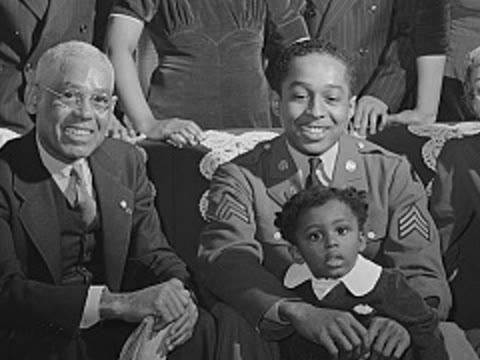
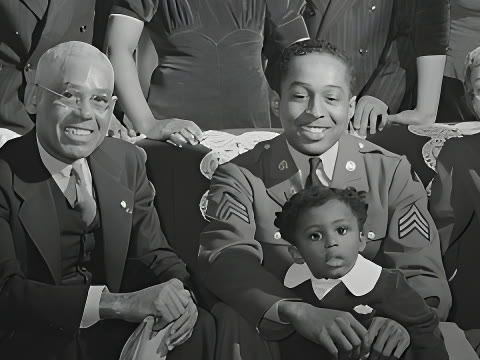
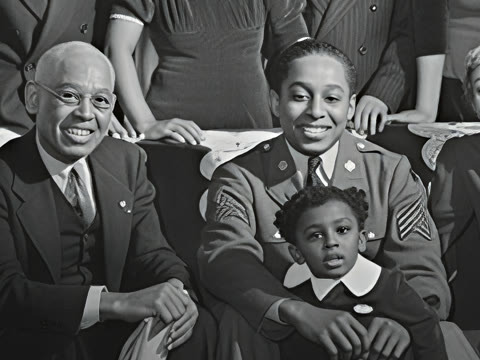
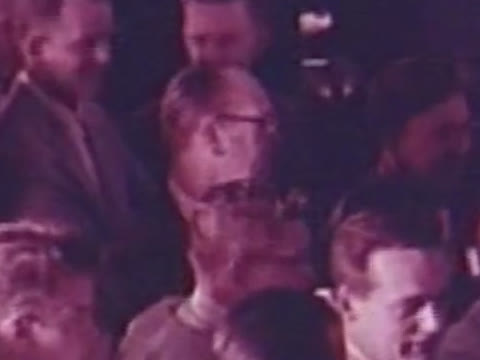
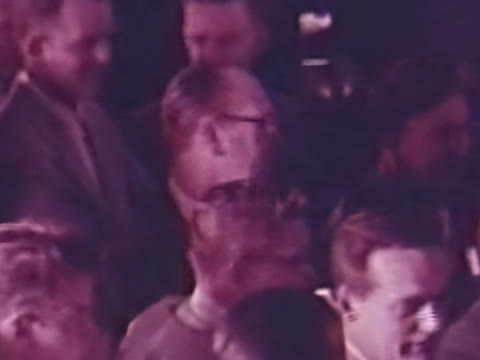
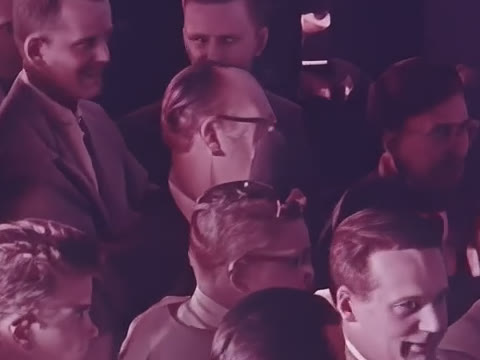
Each row shows the same crop from three versions: the source enlarged normally, Fast mode (Real-ESRGAN), and Quality mode. Click any image to open it at full size.
Family portrait, 1942 (photo, 2×)
16 mm film, 1955 (standard-definition video, 2×)
Badly compressed video (2×)
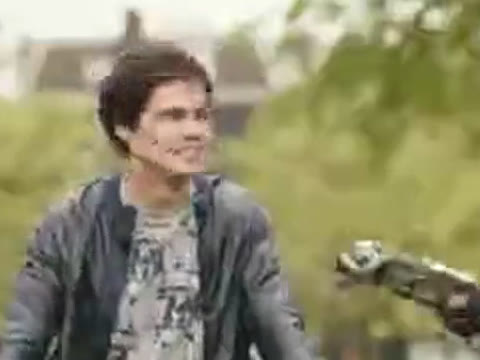
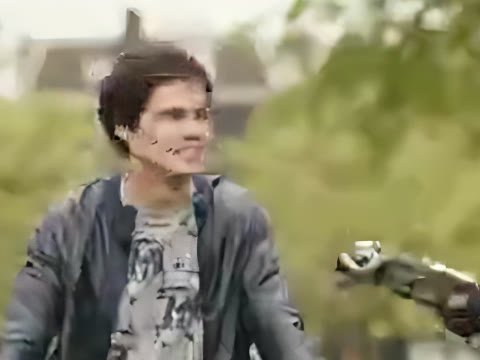
We ran nine test items (five videos and four photos) through every model and compared them blind, without knowing which output came from which model. The newer models were picked for all nine except one already-clean AI-generated clip, where there was no clear winner. Real-ESRGAN was never picked. That is one person's judgement on a small test set, so treat it as a first look, not a benchmark.
Diffusion models like SeedVR2 and FlashVSR rebuild detail rather than recover it. On faces, small text and fine patterns they can produce detail that looks right but was never in the original. Keep your originals, and check results that matter.
Speed and memory, measured
All figures come from one Mac: Apple M5 Max, 40-core GPU, 64 GB, macOS 27, while it was also running other work. Treat them as rough upper bounds for that Mac. We have not measured a 16 GB Mac yet; it will be slower.
| Model | Job | Time (M5 Max) | Peak memory |
|---|---|---|---|
| Real-ESRGAN | Video, Fast mode | Tens of frames per second | Low |
| SeedVR2 3B | One photo, 2× | 10–30 seconds | Fits 16 GB at 8-bit |
| FlashVSR | Video, 540p–720p output | 1.0–1.6 s per frame, about 30–50 minutes per minute of 30 fps video | 13–17 GB |
SeedVR2 timings come from our Python test harness on the same GPU kernels the app will use. Fast-mode video speed comes from the app itself. We will publish numbers from the finished app, on more than one Mac, before launch.
This is why Studio tests your Mac on first launch. Quality photos should work on most Apple silicon Macs. Quality video is likely to need a Mac with more memory, probably 24 GB or more, and is best for short clips such as a family moment or a single scene. Fast mode is there for everything else.
Why not just use ComfyUI?
If you already run ComfyUI and enjoy tuning workflows, you may not need Studio. ComfyUI is free and flexible. Studio is for people who want the results without the setup: no Python environment, no model downloads to manage, no CUDA-only nodes to work around, and a queue that handles photos and whole videos with the audio kept.
Questions
Is SeedVR2 free to use commercially? Yes. ByteDance released SeedVR2's code and weights under the Apache 2.0 licence. FlashVSR's code is Apache 2.0 and its weights are marked Apache 2.0 on Hugging Face. Real-ESRGAN's code is BSD-3-Clause. Studio will ship each licence with the app.
Will it run on my 16 GB MacBook Air? Fast mode will, and Quality photos should at 8-bit. Quality video probably won't be offered on 16 GB. The first-launch test decides, and you can override it.
Does it work offline? Yes. The models run on your Mac. Nothing is uploaded.
How much does it cost? $49 once at launch, rising to $79 when version 1.0 ships. No subscription. See how that compares with Topaz.
Guides: how to upscale photos on a Mac and how to upscale old home videos.
Sources and credits
- SeedVR2: github.com/ByteDance-Seed/SeedVR, SeedVR2-3B model card
- FlashVSR: github.com/OpenImagingLab/FlashVSR
- Real-ESRGAN: github.com/xinntao/Real-ESRGAN
- 1942 portrait: U.S. Office of War Information, Library of Congress FSA/OWI collection, public domain. Upscaled.
- 1955 film: Achievement USA, Prelinger Archives via Internet Archive, public domain. Upscaled.
- Compressed video: "Tears of Steel" (CC) Blender Foundation | mango.blender.org, CC BY 3.0. Excerpt downscaled and recompressed by us to simulate a bad web video, then upscaled.
SeedVR2 is a ByteDance project and FlashVSR is from OpenImagingLab. Neither is affiliated with or endorses Local Upscale Studio.